How to Preserve a Finished Puzzle
Here's how to preserve a puzzle: use puzzle glue, adhesive backing sheets, or a frame designed to secure unglued pieces. Choose glue for a permanent bond, sheets to keep liquid off the image, or an unglued frame if you want to take the puzzle apart later.
On this page (7 sections)
- How do you preserve a puzzle with glue?
- Are adhesive sheets a good way to preserve a puzzle?
- Can you preserve a puzzle in a frame without glue?
- How do you move a finished puzzle without bending it?
- Which preservation mistakes should you avoid?
- How should you care for a preserved puzzle?
- How to preserve a puzzle: which method should you choose?
To learn how to preserve a puzzle, start by choosing glue, adhesive backing sheets, or a frame that secures unglued pieces. Glue and sheets create a lasting bond, while a suitable frame can keep the puzzle assembled without coating it.
Decide whether you want a permanent display before buying supplies. If you might rebuild it later, our guide to storing finished and unfinished puzzles covers options that keep the pieces reusable.
How do you preserve a puzzle with glue?
Preserve a puzzle with glue by applying an even coat on a protected, flat surface, then leaving it supported until fully dry. Follow the glue and puzzle makers' directions, especially for coated, foil, textured, or wooden puzzles.
Prepare the display space before opening the bottle. You'll need room to leave the puzzle undisturbed, plus a protective underlay that works with your chosen glue.
- Check for missing pieces, raised tabs, dust, and hairs before sealing the surface.
- Square the edges gently so the finished shape will fit its frame.
- Put the recommended protective layer beneath the entire puzzle, extending beyond its edges.
- Spread glue evenly across the instructed side, working it into seams without leaving pools.
- Let the coat dry fully before adding another coat or turning the puzzle.
Don't glue directly on felt, a puzzle mat, or a bare board. Glue can pass through the seams and attach the puzzle to the surface beneath it.
A thin, even application gives you more control than a large puddle in the center. Avoid repeated rubbing as the glue starts to set, which can leave an uneven surface.
How to choose glue to preserve a puzzle
Choose glue by application style, finish, and the number of puzzles you plan to save. The options below dry clear, but a clear finish can still change the image's sheen.
If you want to keep a matte puzzle looking matte, consider backing sheets or an unglued frame. Also check material compatibility rather than assuming a glue for cardboard suits every decorative surface.
Mod Podge Puzzle Saver suits crafters who want a gloss finish and a bottle useful beyond one puzzle. Its 8-fluid-ounce size and compatibility with paper, wood, fabric, and other porous surfaces make it a practical choice for mixed craft projects.
Choose it if you already have a suitable spreading tool and want control over coat placement. Skip it if avoiding shine matters more than coating the image, and follow its directions for building multiple coats rather than applying one heavy layer.
MasterPieces Puzzle Glue suits people saving several puzzles or those who prefer a broad spreader over a sponge tip. Its thicker consistency helps control where the glue goes, while the included tool lets you sweep it across the surface.
MasterPieces estimates enough glue for four 1,000-piece puzzles across the pack, with actual coverage depending on application. Don't use piece count alone to plan supplies, since finished area and coating both sides affect how much you'll need.
Skip this pack if you only want to preserve one small puzzle and prefer fewer supplies to store. MasterPieces describes the bond as permanent, so choose another method if you want to separate the pieces later.
YAKAMOZ suits readers who want a choice of applicators, including a sponge head for guiding glue into seams. It works with paper and wood, though wooden puzzles need a different coating plan.
YAKAMOZ advises at least 5–6 layers for wood, so don't choose it for a wooden project expecting a single-coat job. It recommends 1–2 hours of air drying depending on conditions and specifies use for ages 14 and up.
Skip it for a display likely to get splashed because the formula is not water resistant. Tighten the cap after use to keep leftover glue from drying out.
RoseArt suits occasional puzzle savers who want an attached applicator without choosing a separate spreading tool. The water-based, low-odor formula cleans up with soap and water.
RoseArt estimates that its 4.5-fluid-ounce bottle can seal up to two standard 1,000-piece puzzles, depending on coat thickness. Use the finished dimensions to judge coverage, especially for unusually wide or panoramic puzzles.
Choose it for a straightforward cardboard puzzle project. Skip it if you prefer a wide plastic spreader or want to preserve the original surface without adding a coating.
Are adhesive sheets a good way to preserve a puzzle?
Adhesive sheets suit puzzles you want to keep assembled without spreading liquid over the artwork. They attach to the back, but you must turn the puzzle safely before applying them.
Check the sheets' coverage in inches against the puzzle's finished dimensions. A piece-count estimate is less useful when puzzles have different shapes and piece sizes.
Sandwich the puzzle between 2 rigid boards larger than the finished image. Hold the layers together and turn them as one unit, with help for a large or awkward puzzle.
Apply the sheets according to their placement instructions, smoothing them down without shifting the pieces. Don't assume that backing sheets also provide a hanging system or enough stiffness for unsupported display.
Treat the adhesive as permanent unless its manufacturer says otherwise. Peeling sheets away can lift paper from the backs of pieces.
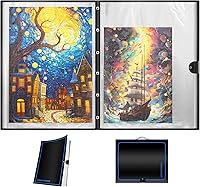
Can you preserve a puzzle in a frame without glue?
Yes, if the frame is designed to secure unglued puzzle pieces. This is the best route when keeping adhesive off the puzzle matters and you may want to rebuild it.
Measure the assembled puzzle's width and height instead of relying only on the box dimensions. Check the frame's usable opening, depth, backing, and loading instructions.
An ordinary picture frame may fit the outline but leave the pieces loose inside. Don't force a thick puzzle between the backing and front panel, since pressure can bend pieces or prevent the frame from closing correctly.
Keep the puzzle supported as you load it. See how to use a puzzle board for help with supporting and moving an assembled puzzle.
How do you move a finished puzzle without bending it?
Move a finished puzzle with rigid support beneath its whole area, even after gluing. A bonded puzzle can still flex, and lifting one corner puts strain on the seams.
If you need to slide a board beneath it, keep the board close to the work surface and advance slowly. Stop if an edge catches instead of pushing harder.
For a turn, use the 2-board sandwich method and keep the layers together throughout. A large puzzle needs enough clear space for both boards before you begin.
If you're choosing a work surface for future projects, our puzzle tables and boards guide explains the main options. A flat support that fits the whole puzzle makes preservation easier.
Which preservation mistakes should you avoid?
Avoid excess glue, early lifting, and unsupported hanging. These mistakes can spoil the finish or put more strain on the puzzle than its bond can handle.
- Buying by piece count alone: Measure the finished area for glue coverage, backing sheets, and frames.
- Coating dust into the image: Clear the surface before applying anything permanent.
- Confusing dry edges with a dry puzzle: Seams and thicker patches can need more time.
- Assuming glue replaces a backing: Use suitable rigid support and frame hardware for display.
- Sealing an unfinished project: Check every piece and edge before committing to adhesive.
If you need to pause before preservation, a cover can help keep debris off the puzzle. Compare puzzle board features worth paying for for covered work surfaces.
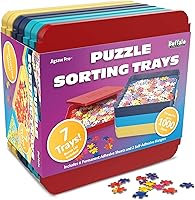
While you're still assembling, sorting puzzle pieces can keep loose pieces separate from the area you'll later use for gluing. Use puzzle mats and boards for temporary storage rather than treating them as permanent display backing.
How should you care for a preserved puzzle?
Keep a preserved puzzle indoors, dry, and away from direct sunlight. Glue holds pieces together, but it doesn't make the artwork immune to moisture or fading.
Dust an exposed puzzle gently with a soft, dry cloth. Avoid wet wiping or spraying cleaner onto the image, and follow the frame maker's care directions for glass or acrylic.
Store a preserved puzzle flat on rigid backing until you're ready to hang it. Don't lean an unsupported puzzle against a wall, where it can bow under its own weight.
How to preserve a puzzle: which method should you choose?
Choose an unglued puzzle frame for future reuse, backing sheets to avoid liquid on the image, or glue for a permanent coated display. If you can't turn the puzzle safely, favor a method that begins with it face up.
For glue, pick Mod Podge for mixed craft use, MasterPieces for several puzzles and a wide spreader, YAKAMOZ for applicator choice, or RoseArt for an occasional cardboard project with a built-in sponge.
Before buying, measure the puzzle and decide where it will live. If the frame or display space isn't ready, follow our puzzle storage guide to keep it supported while you prepare.
Frequently asked questions
Should you glue the front or back of a puzzle?
Follow your glue's directions for which side to coat first; MasterPieces and YAKAMOZ describe applying glue to both sides. Let the first side dry fully before turning the puzzle, then use 2 rigid boards to support the entire piece during the turn rather than lifting it by an edge.
Can you frame a puzzle without glue?
Yes, use a frame designed to secure unglued puzzle pieces with its backing and front panel. Measure the finished puzzle and check the frame's usable dimensions and depth before buying; an ordinary frame that fits the outline may still leave room for pieces to shift during hanging.
How long should puzzle glue dry before framing?
Wait for the full drying or curing time in your glue's directions before framing. YAKAMOZ recommends 1–2 hours of air drying, depending on conditions; thick coats and damp rooms can take longer, so leave the puzzle flat and supported until the surface and seams are fully dry.
Do adhesive sheets damage a puzzle?
Adhesive sheets can damage the paper backing if you try to remove them, so treat them as permanent unless their manufacturer states otherwise. Choose a frame designed for unglued pieces if you want to rebuild the puzzle later, and follow the sheet instructions for coverage and pressure.